At first glance, it seems like a simple question with an obvious answer. On the face of it, country living just ‘sounds’ healthier: all that fresh air and sunshine and exercise and growing your own food! But is it really?
As it turns out, there are a whole lot of factors besides air quality that make it a tricky question to definitively answer.
Here’s a look at some of the positive attributes of country living, plus a few ‘flip sides’ that might surprise you.
Cleaner air
This is the first benefit that springs to most people’s minds, and it’s absolutely true that country air wins over major cities when it comes to air quality. What doesn’t always come to mind is the seasonal mass-spraying of pesticides and weed killers in many agricultural areas, most of which are considered highly toxic to humans.
A simpler life
Yes, you can definitely have this in the country, and it’s one of the top three reasons why people decide to make a sea or tree change. And maybe it’s easier to achieve in the country simply because there are less opportunities for over-stimulation: the nearest frenetic social scene, crazy traffic, crowds of people and endless entertainment options are hours away instead of right outside your door.
But you can probably achieve a simpler life wherever you are just by making some conscious decisions about who you hang out with, where you go in your free time, and what you do with your money.

A more active outdoor lifestyle
Well, this one really depends on where you are and what you’re doing there. If you’re moving to the country to take up farming, then a more active outdoor lifestyle is practically guaranteed without any conscious effort on your part.
If you’re moving to a country town, you might be anticipating lots of long country walks and bicycle rides down country lanes. This is a beautiful aspect of living in the country if you love getting outdoors and you have access to suitable trails or large expanses of land – you will certainly reap the health benefits. But if you generally have an aversion to exercise, and find excuses to not do it, then chances are good that you’ll find excuses to not do it in the country either.
And if you’re in the latter category, here’s a ready-made excuse for you: you may find walking or riding along typical country roads uncomfortable and potentially life-shortening. They are often narrow with no footpaths, and the roadside is lined with long grass or bush, which leaves you with two options: bush-bash while hoping there aren’t any of our many and varied venomous snakes lurking, or walk on the road and hope you don’t get taken out by a vehicle doing 100km/h around a blind bend.
One final point – lots of tree changers are surprised at how much time they spend in the car. This of course depends on your circumstances, location and distance from the services and facilities you need to access, and possibly also on how good you are at planning and remembering everything you need when you go to the shops 😉
Closer to nature
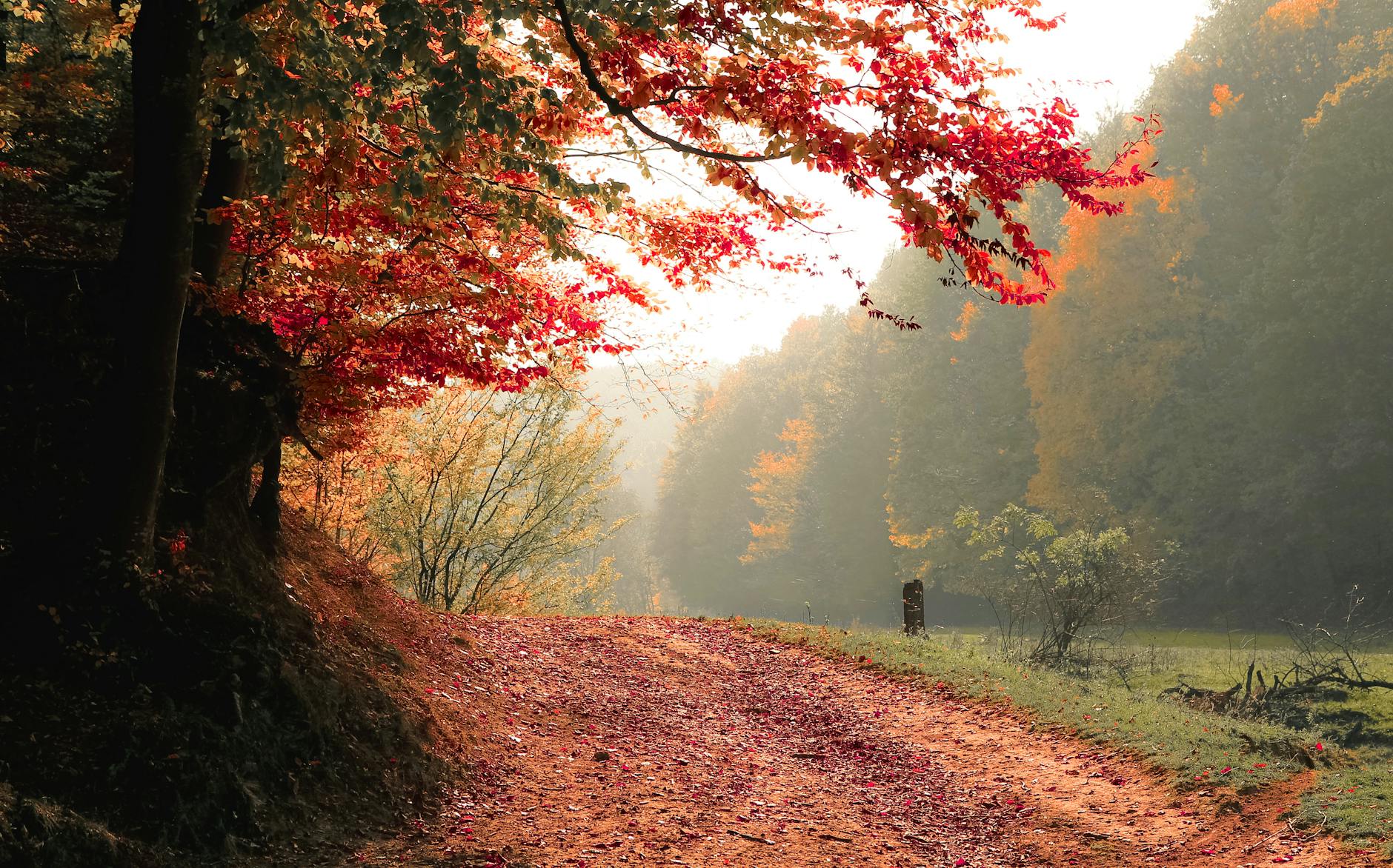
There’s no flip side to this one – being surrounded by nature, greenery, wildlife, pasture land and farm animals as opposed to buildings and concrete has scientifically proven health benefits, mostly due to the positive impacts on stress levels and brain function. In the country you get this in spades.
But if you’re a city-dweller, you can still get your green fix and the health benefits that come with it by spending as much time as you can in green areas, whether it’s your garden, a park, or somewhere out of town that you visit regularly.
In the country though, you have the added benefit of getting away from the artificial lights and noise of urban locations, which can greatly improve your sleep quality and align your body clock with natural seasonal and circadian rhythms.
On a side note – moving to the country practically guarantees instant enthusiasm for watching and talking about the weather – partly because it comes up in pretty much every conversation you have, and partly from your obsession with checking the forecast for rain because your water tank is getting low.
Less traffic
Yep, this is an absolute certainty when you move to the country. All that stress from being stuck in traffic and the wasted hours of your life you’ll never get back just melts away. What is less well-known, however, is that 65% of fatal car crashes in Australia occur on rural roads (read more about this here) so don’t relax too much.
Fresh farm produce at your fingertips… or you can grow your own!
These are both likely to be options when you move to the country, but the flip side is that not everything grows everywhere: there may be plenty of locally farmed lamb and wheat on hand, but if you like bananas , there’s no getting around the fact that your ability to consume them is wholly reliant on a truck from Queensland swinging by your local area. In fact, when you go really remote, fresh produce is likely to be scarce and cost an arm and a leg to buy.
Growing your own fruit and veg or keeping chooks are great options for many – you can improve your health by avoiding pesticides and eating super-fresh food that is actually in season. The trade-off to growing your own is the time and effort involved, and possibly the lack of variety, depending on the seasonal growing limitations where you live.

Sense of community
Many people are attracted to country living for the sense of community that they feel has been lost from city or urban neighbourhoods. They want to know their neighbours and be part of a support network where people look out for each other. And it does have real and measurable benefits: strong social ties and support networks have been shown to have a positive impact on overall health and life expectancy.
I enjoy seeing familiar faces every time I walk down the street, and stopping for a quick chat. The potential flip side is that it’s impossible to walk down the street without people you know seeing you and stopping to chat!
There is also a common belief that everybody knows everybody else’s business in a small town. It’s true that if you plant some new trees, get a load of firewood delivered, have some visitors for the weekend, or get Foxtel installed, someone will probably notice and ask questions or comment.
But it comes with another character trait of small towns: people still, generally, treat others the way they would like to be treated. They are genuinely interested in what you’re doing, not in finding and spreading gossip. There is still a great deal of old-fashioned politeness – there are questions you don’t ask and you don’t discuss people’s personal business with others. You also don’t tailgate, be rude to shop staff or leave rubbish at the park.
A more cynical view may be that people behave better in small towns because they’ll be publicly shamed if they don’t, but even so, it makes for a pleasant place to live.
Keeping up with the Jones’s
I know I’m generalising (again) here, but people in the country tend to be much more conscious of conserving resources and reducing waste. They are more likely to respect and admire others who are practical, live on less, and who come up with ingenious ways to reuse things.
This ‘practical is cool’ mentality applies to all those luxuries that city-dwellers might feel pressured to aspire to, like brand-label clothes, a lavish social life, a big house and shiny new cars every few years.
Of course, you can still have all those things if you want to – the difference is that it’s purely your choice and not required for social status or acceptance.
It filters down to how people dress – there’s no sense in buying new boots if your current ones still have their soles on and keep water out! You’ll give them a polish if you need to scrub up for a special occasion, but there is way more street-cred in ‘old and maintained’ than there is in ‘shiny and new’.
It means that in the country, you won’t raise any eyebrows when you rock up to the school gate wearing jeans that you’ve owned since the 1990’s. Living in a small house is more likely to spark interest than disdain, and living off-grid with a composting drop toilet is not horrifying or gross.

So what’s the verdict?
Does town or country win your vote for healthiest place to live?
Hard as I tried, I couldn’t stay neutral! I spent my first 35 years living in various cities, then almost a decade in the country, and for me there is no question that country wins – but on the other hand, maybe I live in a particularly awesome country town with especially fabulous people, so I shouldn’t assume that the rest of country Australia is just like this.
Whatever your verdict, I hope you are living in a place that feels right for you – and if not, I encourage you to take the leap and seek out your ideal ‘greener pastures’, wherever they may be – you won’t regret it.

 Countrified